
ID|AD|NA|MFD|D_FAB
In Progress
Woven Force x Tensional Skin
Woven Force x Tensional Skin 01
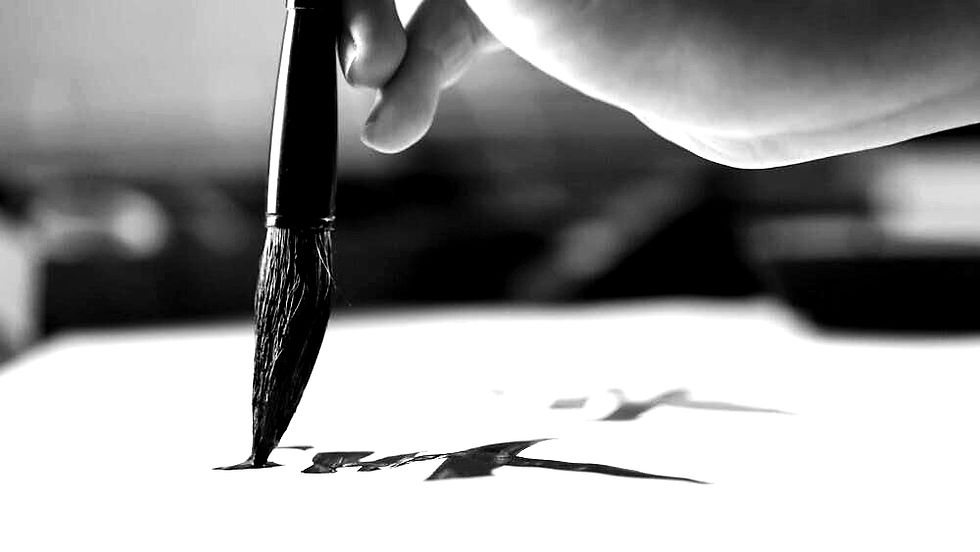

Ink Traces, Algorithms, and Spatial Regeneration
Human action, machine response, material behaviour, and algorithmic computation operate through different temporalities. Delay, residue, and asynchrony become conditions for generating difference. Co-performance emerges through their continuous coordination, where harmony exists as a provisional relation among differences.
Asynchronous Human–Machine Co-Performance
The interface becomes a site of writing. Translations among body, sensor, machine, material, and image continuously introduce latency, displacement, and difference, expanding writing from a singular surface into a relational field distributed across multiple media.
01 — Interface as a Site of Writing
Perceptual Configuration of Harmony and Difference_
Human, machine, material, and algorithm operate through distinct temporalities. Delay, displacement, and asynchrony are treated not as errors, but as conditions for generating difference. Harmony emerges not as unity, but as a provisional coordination and resonance among heterogeneous relations.
Perceptual Configuration of Harmony and Difference_
Chapter 1
Judgment → Writing → Body
Chapter 2
Interface → Resonance → Asynchrony → Regeneration
Autonomous Judgment and Coordination of AI-Generated Value


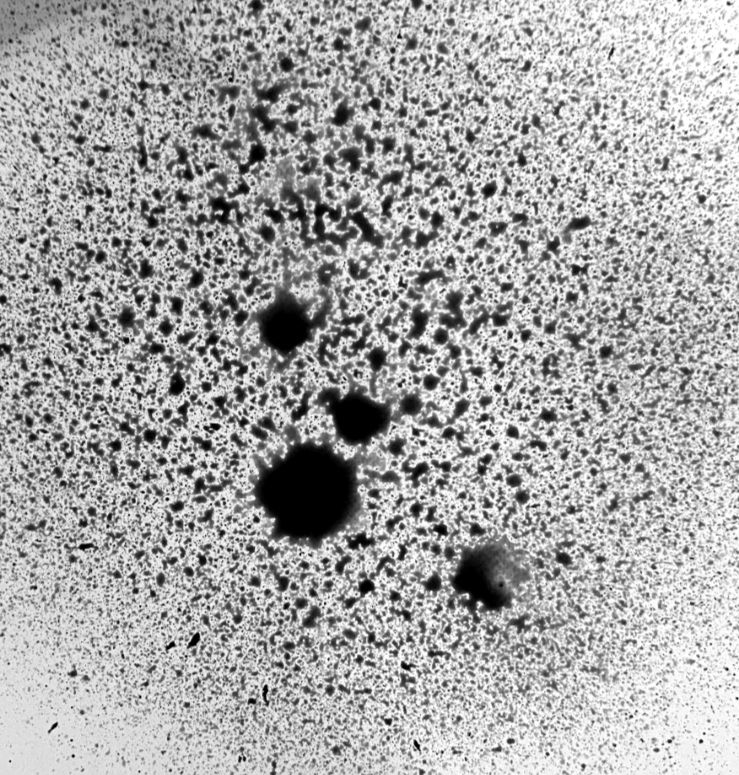


The interface becomes a site of writing. Translations among body, sensor, machine, material, and image continuously introduce latency, displacement, and difference, expanding writing from a singular surface into a relational field distributed across multiple media.
AI is not the value itself; it is the condition to be re-examined through calligraphic perception.
This research focuses on the autonomous judgment of trend-driven value. As AI, immersion, and real-time computation enter exhibition vocabularies, this performative project asks: how can calligraphy, after AI, retain its ink quality, bodily dimension, temporality, and ethics of viewing?
This inquiry resonates with Mario Carpo’s second digital turn: as the digital shifts from precision fabrication to data, difference, and generative processes, the creator’s task becomes one of judgment—discerning and validating technological possibilities through writing, calligraphy, material response, and embodied perception.


Ink traces operate simultaneously as residues and conditions for subsequent generation. Through capture, computation, and translation, they re-enter image and space, forming a recursive loop across body, material, and perception. Differences produced by one event become the conditions for the next spatial regeneration.
[RE]TurinG Harmonica Studio / Digital Integration & Fabrication Lab
織勢 -書寫之膚 X 牽勢之膚 -共演體膜場
Woven Force x Tensional Skin
In Progress
Hengshan Calligraphy Art Center, Taoyuan, Taiwan
RETURING Works, Research Projects
2026-
Curatorial Project, Installation
Generative Perception Beyond Trends_
Exhibition Activation Scheduled for 2028
Calligraphic Art Workshop and Public Program
Selected Exhibition Team, RETURING-led Project
2027 Hengshan Calligraphy Art Center Curatorial Open Call — Selected Proposal


Generative Perception Beyond Trends
As AI makes generation ubiquitous, value no longer lies in generation itself, but in how generative conditions are judged, selected, and configured. Through calligraphy, body, material, and perception, this chapter reframes generation as an ongoing practice of perceptual and critical judgment.
Reconfiguring the Boundaries of Generative Calligraphy
Generative calligraphy reconsiders what can constitute writing. Body, sensing, algorithms, fluids, and space enter the writing process, allowing the stroke to extend beyond paper as an event that can be perceived, translated, and transformed. Calligraphy becomes the construction of conditions through which writing can emerge.
Interface as a Site of Writing
Performative Generation: Body, Gesture, and Strokes
The stroke is a trace produced through body and time. Posture, distance, and rhythm are sensed and translated into material and visual responses, positioning the body as an active agent within the generative system. The stroke emerges as an event shared by body, temporality, and matter.


Credit & Supporting / Collaborating Partners
Organizer: Taoyuan Museum of Fine Arts, Hengshan Calligraphy Art Center, Department of Culture Affairs, Taoyuan
Implementing Unit: Taoyuan Museum of Fine Arts(TMoFA)
Curator and Project Lead: Chen-Yuan Hsieh, [RE]TurinGHarmonica Studio
Exhibition Coordination: Hengshan Calligraphy Art Center
_edited.jpg)
Studio: [RE]TurinG Harmonica Studio
Parametric Design and Morphological Development: [RE]TurinG Harmonica Studio
Interface Integration Design: [RE]TurinGHarmonica Studio
Technical Equipment Planning: Shen Mao Green House Ltd.
Timber Fabrication and Construction: YUAN CHENG Enterprise(CNC Curved Surface Fabrication Specialist)
Lighting Design: YAOHONG LIGHTING DESIGN CO., LTD.

Name
Role
Add a Title
Add a Title